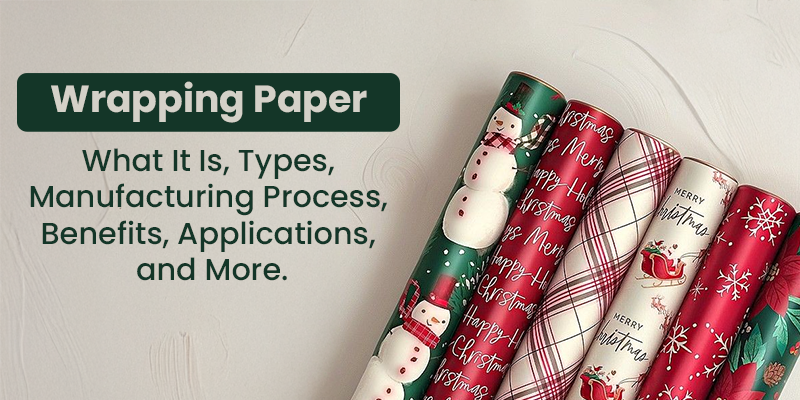
Wrapping paper is a widely used material with billions of gifts packed around the world. It is processed for higher tensile strength and tear resistance to protect the contents inside. Commonly, it is seen as a decorative layer to tear to reach the product inside. However, it is a versatile material that is used strategically for attracting consumers in commercial packaging and branding applications.
Reputed manufacturers like Khatema Fibres specialize in producing high-quality tissue and specialty papers. They aim to produce different grades of paper that offer durability and higher print quality for various applications.
This blog covers everything you need to know about wrapping paper. Read essential details that every bulk buyer should know for procuring custom packaging solutions and reducing wastage.
What is Wrapping Paper?
Wrapping paper is a core packaging material used for covering and protecting items. During festive seasons and brand sales, paper with eye-catching designs and vibrant color prints is used for a great unboxing experience for consumers. They have a wide range of applications across industries and are used for both lightweight and heavy-duty packaging. It is used for producing thin tissue paper and even high-strength industrial packaging.
Major Types of Gift Wrapping Paper
Wrapping papers are manufactured in different grades based on the application type. Here are the different categories:
Tissue Paper and Crepe Tissue
Tissue paper is soft and lightweight, making it ideal for wrapping and packing garments. It is used as fillers inside the outer packaging to secure the inside to prevent breakage during transportation. Khatema Fibres produces high-strength tissue paper, such as crepe tissue paper, offering durability and excellent appearance.
Decorative and Gift Wrapping Paper
This type of wrapping paper is best for packing gifts and decorations. It comes with a balance of strength and beautiful appearance. They are procured based on different vibrant colors and themes, along with smooth textures. Moreover, gift wrapping paper is designed to fold easily around corners without tearing, over the outer packaging of different shapes.
Here are the common types:
- Foil-Line Paper: Has a metallic coating with a premium reflective surface.
- Matte and Glossy Paper: Has a standard coating or no coating at all for crisp and vibrant color reproduction.
Kraft Paper
Kraft paper is a specialized material made using the kraft pulp process. It is processed to have high strength and a natural brown color, but also comes in white. Attracting a segment of eco-conscious buyers, kraft paper is used for producing sustainable gift wrapping and shopping bags.
Food-Grade Wrapping Paper
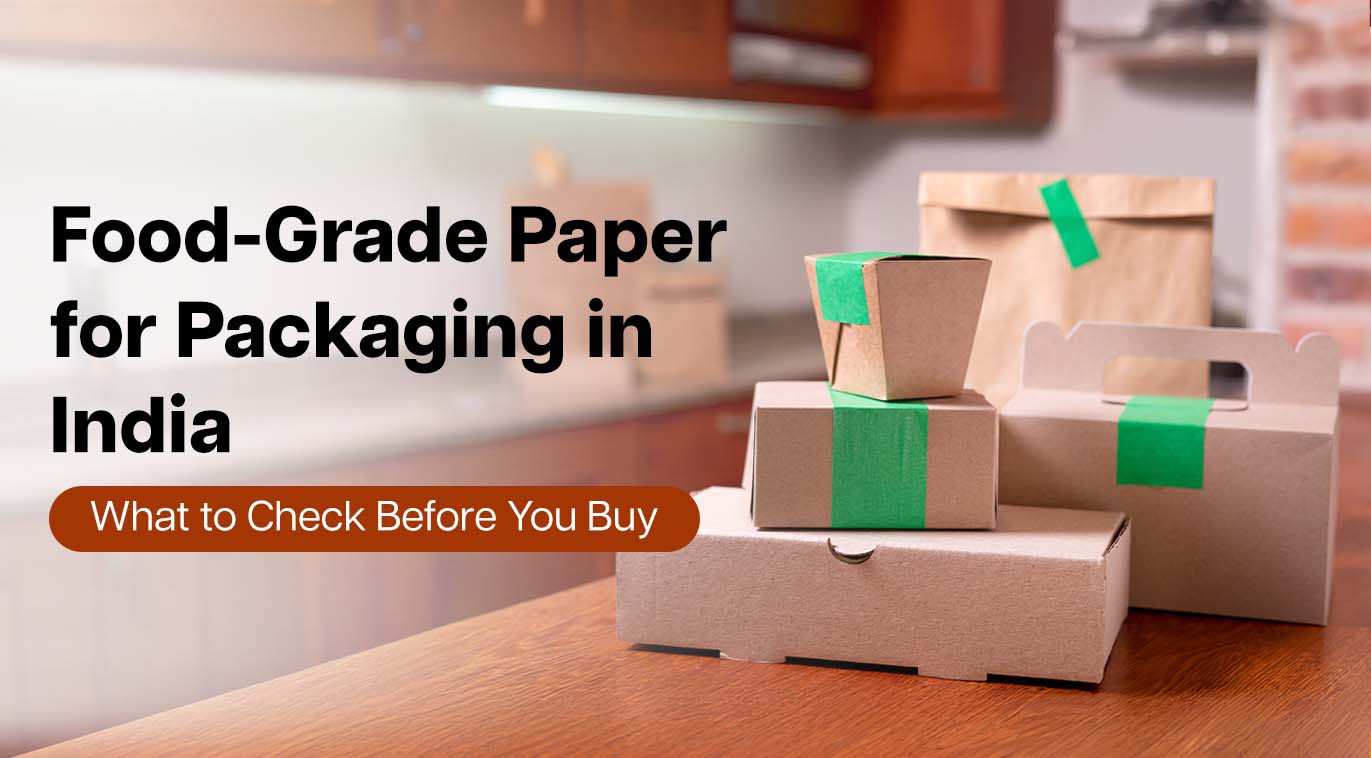
Different food-grade wrapping papers are designed for handling excess moisture and grease without tearing based on the specific barrier treatments. Its packaging helps keep the food items safe during handling and deliveries.
Common types of food-grade paper include:
- Butcher Paper: It is best preferred for meat processing and food service for its strength.
- Greaseproof: This paper can handle oil and grease from fast foods items but it is not always waterproof.
- Wax Paper: It is moisture resistant but not for oven use.
- Parchment Paper: It is made from cellulose and can easily handle high-temperatures up to certain levels.
Manufacturing Process of Wrapping Paper: From Pulp to Roll
Manufacturing wrapping paper is a multi-stage process that includes:
- Pulping and Extracting: Softwood trees, wood, and recycled paper are processed into pulp.
- Refining and Bleaching: Pulp is cleaned for fibres to bond properly, and the bleaching process is carried out to make it white paper.
- Sheet Formation: The pulp is mixed with water and spread across the machine. After that, the water is removed using a pressing process to make it a sheet. They use rollers for cutting the large rolls into smaller ones.
- Printing and Converting: Different Designs and branding elements are printed on the paper with high-quality ink. Large sheet rolls are converted into smaller rolls for easy handling and transportation.
Benefits or Features of Wrapping Paper
- Protection: These papers offer protection from dust and moisture depending on grade or coating.
- Appearance: These papers make the appearance of the packages more beautiful with high quality printed themes.
- Branding: Companies use custom prints to use packaging as marketing tools.
- Eco-Friendly: Reputed manufacturers like Khatema Fibres offer biodegradable and easy to recycle wrapping paper.
Major Applications of Wrapping Paper
Retail and E-commerce
Retailers and e-commerce brands use branded wrapping paper to protect products.
Food Service and Hospitality
Bakeries and restaurants use food-grade paper for handling food items.
Gifting and Celebrations
Printed gift wrapping paper and decorative tissue paper are used during festival times for a great unboxing experience.
Industrial Packaging
Kraft paper and tissue paper protect delicate industrial items.
Why Choose Khatema Fibres for Sustainable Wrapping Solutions?
Khatema Fibres offers a wide range of paper solutions to bulk buyers looking for premium quality and sustainable packaging options. Here’re what you can expect:
- Custom paper grades and GSM for packaging applications.
- Orders in sheets and rolls for easy handling and storage.
- Consistent quality across all orders.
- Technical assistance to help procure the right material
- Confirmed paper specifications shared before placing an order.
Contact Us
Buying paper in bulk? Contact Khatema Fibres for paper specs and suitable grades for your application. Share your use, GSM, and order quantity, and our team will help you choose.